
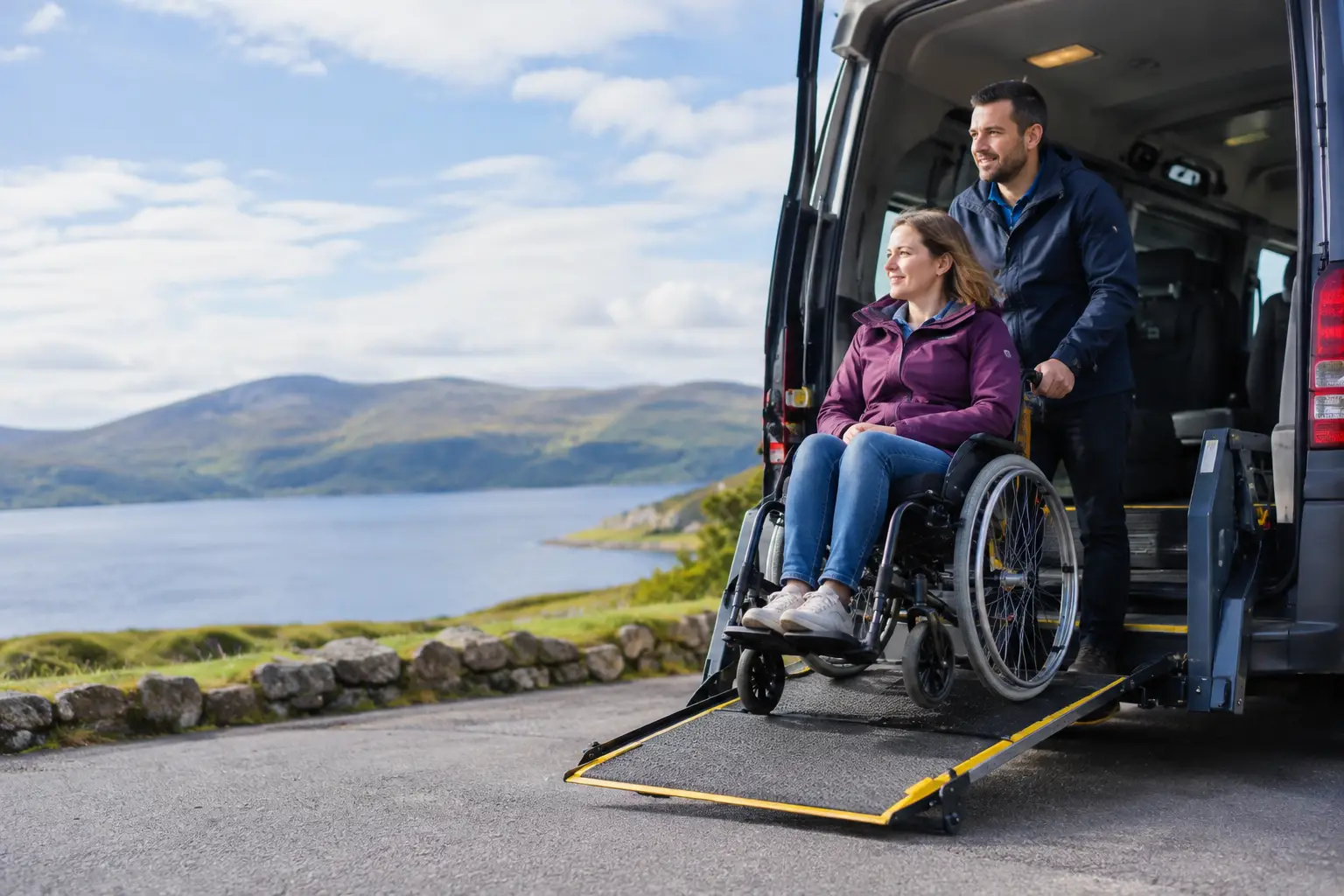
A missed connection, a narrow vehicle doorway or an unconfirmed wheelchair space can turn a carefully planned day into an unnecessary strain. Knowing how to arrange accessible transport means giving the provider enough practical detail to prepare properly, while making sure the journey suits the traveller rather than asking the traveller to adapt at the kerb.
Accessible travel is not one requirement. A passenger may use a manual wheelchair, travel with a mobility scooter, need extra time to enter a vehicle, have limited sight or hearing, or simply find busy interchanges difficult. The right arrangement starts with an honest description of what will make the journey safe and comfortable.
Start with the traveller's practical needs
Before contacting a transport provider, consider the whole journey - not only the time spent in the vehicle. Think about collection and drop-off points, walking distances, steps, uneven surfaces, luggage and any support needed between the door and the vehicle.
For wheelchair users, establish whether the chair must travel with the passenger or can be folded and stored. A powered chair or mobility scooter may require a vehicle with a suitable ramp, lift and secure restraint system. Its dimensions and weight matter, particularly where a larger chair is involved. Do not assume that a vehicle described as spacious will automatically be wheelchair accessible.
If a traveller can transfer from a wheelchair to a seat, say so only if that is genuinely comfortable and safe for them. This may widen the available vehicle options, but it should never be presented as the default. The passenger's independence, comfort and preferred method of travel should lead the decision.
Some requirements are less visible but equally relevant. A traveller with reduced mobility may need a vehicle with easier entry, a steady handhold and time to board without pressure. Someone with a visual impairment may benefit from clear verbal confirmation on arrival and an agreed meeting point away from crowds. For a passenger who finds unfamiliar travel stressful, a calm, predictable plan can make a considerable difference.
How to arrange accessible transport with confidence
The most effective requests are specific. Rather than asking whether a provider offers accessible travel in general, explain the journey and the support required. Include the collection address, destination, date, preferred times, number of passengers, amount of luggage and any stops along the way.
Then describe the access requirement in practical terms. For example, state whether the passenger remains in their wheelchair, whether a folding chair will be carried, or whether they need minimal walking from the vehicle to the entrance. If there is a mobility scooter, provide its make, approximate dimensions and whether its battery can remain connected during transport.
It is sensible to ask the provider to confirm the following before travel:
- the vehicle type and whether it is suitable for the passenger's equipment
- how a wheelchair, scooter or other mobility aid will be secured
- whether the collection and destination points have step-free access
- the amount of boarding time allowed
- who will contact whom if the collection point changes or becomes unclear
Written confirmation is useful. It reduces the risk that essential details are lost between the enquiry and the day of travel, especially where several people are coordinating arrangements for a family member, visitor or colleague.
Check the pick-up and drop-off points, not just the route
A suitable vehicle is only part of an accessible journey. Historic streets, rural attractions, hotel forecourts and event venues can all create challenges at either end of the trip. In Scotland, this is particularly relevant around older town centres and heritage sites, where cobbles, slopes and limited stopping space are common.
Ask where the vehicle can safely stop and whether the passenger will face steps, a long walk or uneven ground. A drop-off point that looks close on a map may be unsuitable if it is separated from the entrance by a steep path or busy road. Where possible, contact the venue in advance to confirm its accessible entrance and the nearest appropriate set-down area.
For rail stations, ferry terminals and larger visitor attractions, agree a precise collection point rather than relying on a broad location name. This is especially helpful for travellers who cannot comfortably move between different entrances or waiting areas. A clear plan should identify the entrance, side of the road or designated bay, and allow for the fact that accessible routes are sometimes longer than standard pedestrian routes.
Allow realistic time without making the day feel rushed
Accessible transport arrangements benefit from a little more time at each stage. That does not mean building an overlong schedule. It means recognising that boarding, securing mobility equipment, using an accessible entrance or finding a suitable toilet may take longer than a standard itinerary assumes.
For a day out, avoid planning back-to-back attractions with no margin. If one stop has limited accessible parking or an entrance operates at particular times, allow for that before committing to lunch or ticketed activities elsewhere. The same applies to performances and sporting events, where accessible entrances may differ from general admission routes.
Timing should also account for the traveller's own preferences. Some people are happiest travelling early, before popular sites become busy; others need a later departure or regular breaks. The most considerate plan is one that treats these preferences as part of the journey requirements, not as an afterthought.
Be clear about assistance and personal support
Drivers can provide professional, respectful assistance within the scope of the service, but they are not automatically trained carers or medical staff. If a traveller needs help transferring between a wheelchair and vehicle seat, administering medication, managing personal care or remaining supervised, arrange appropriate support from a companion or care professional.
This distinction protects everyone. It ensures the transport provider can prepare for safe boarding and accessible equipment, while the traveller receives the level of personal assistance they require. If a companion is travelling, include them in the passenger numbers and confirm that the vehicle has room for both people, luggage and any mobility aids.
It is also worth sharing relevant communication preferences. A passenger may prefer information spoken slowly, written down, or communicated through a companion. There is no need to disclose private medical details that do not affect the journey. Focus on the practical information that helps the driver provide a respectful, well-organised service.
Consider the needs of visitors to Scotland
Visitors often plan accessible transport around famous attractions, but the detail can vary sharply from one location to the next. A castle may have an accessible visitor centre but limited access to upper floors. A scenic viewpoint may have a surfaced car park but a steep final section. Island travel can involve ferry timetables, vehicle capacity and weather-related changes.
Check each attraction independently and do not rely solely on general accessibility symbols. Ask about accessible toilets, seating, distance from parking to the entrance, terrain and whether mobility equipment can be hired or used on site. If a planned stop is likely to be unsuitable, choosing a different viewpoint or attraction can preserve the enjoyment of the day.
For multi-stop sightseeing, a pre-arranged private journey can be helpful because the itinerary can be built around suitable access points and a comfortable pace. AlbaGo can discuss practical journey requirements in advance, helping travellers set clear expectations before their day begins.
Confirm the plan shortly before travel
A final check shortly before departure is worthwhile, particularly for journeys involving events, ferry terminals, hospitals or busy visitor locations. Confirm the collection time, address, passenger contact number, mobility equipment and any access instructions. If the traveller's needs have changed since the original enquiry, say so immediately rather than hoping the original vehicle will still be appropriate.
Keep essential items easy to reach: medication, a phone charger if required, booking details, mobility-aid controls and a rain layer for outdoor collection points. In poor weather, allow additional care around ramps, pavements and uneven surfaces.
Accessible transport works best when nobody has to make assumptions. Give clear information, verify that the vehicle and locations are suitable, and allow the journey enough time to be calm and dignified. That preparation leaves more room for what matters: arriving ready to enjoy the appointment, occasion or day out ahead.
Ready to book your journey?
Private chauffeur transfers and Highland tours from Edinburgh, booked online in minutes.
Book Online Instantly